
Cultural influences of gambling exploring its societal effects
The Historical Context of Gambling
Gambling has been a part of human culture for centuries, evolving from simple games of chance to complex betting systems found in modern casinos. Its history reflects societal values, economic conditions, and even legal frameworks. Ancient civilizations, from the Chinese to the Romans, integrated gambling into their social fabric, often associating it with fortune and fate. For those who enjoy strategy, real money online poker has become a prevalent option in today’s gaming landscape.

Over time, as societies evolved, so did their views on gambling. In some cultures, it is seen as a recreational activity that fosters community bonding, while in others, it can be viewed as a vice that leads to moral decay. The transition from informal betting in back rooms to regulated casinos mirrors broader changes in social attitudes towards risk and reward.
Societal Benefits of Gambling
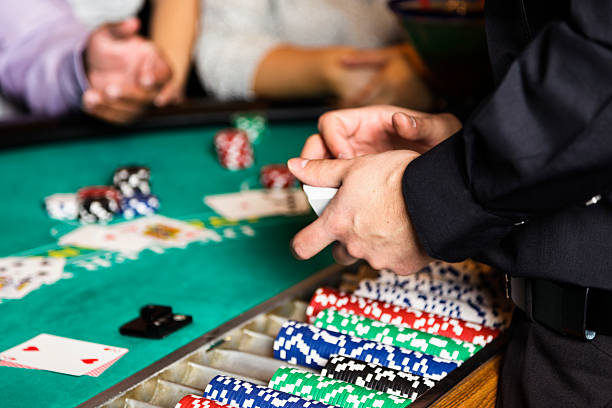
Despite its controversies, gambling can provide various societal benefits. Economically, it generates revenue through taxes and creates jobs within the hospitality and entertainment sectors. This financial influx can lead to improvements in local infrastructure and public services, benefiting the community at large.
Additionally, gambling can promote social interaction. Casinos often serve as social hubs where people gather to enjoy entertainment, engage in events, and forge new friendships. This communal aspect can enhance social networks, providing a sense of belonging among individuals who might feel isolated in other settings.
The Dark Side of Gambling
While there are benefits, the negative societal effects of gambling cannot be overlooked. Problem gambling can lead to severe personal and societal consequences, including financial ruin, addiction, and family breakdowns. The emotional toll on individuals and their loved ones can be devastating, often leading to mental health issues such as anxiety and depression.
Moreover, the normalization of gambling can desensitize individuals to its risks. This cultural shift can lead to younger generations perceiving gambling as a harmless pastime, increasing the likelihood of developing problematic behaviors later in life. Addressing these issues requires a nuanced understanding of gambling’s cultural implications.
Cultural Perceptions of Gambling Worldwide
Cultural perceptions of gambling vary significantly around the globe. In some cultures, it is celebrated and integrated into social rituals, while in others, it is heavily stigmatized. For instance, in places like Las Vegas, gambling is a significant part of the economy and is openly embraced, while in countries like Japan, traditional beliefs may discourage such activities.
This disparity influences policy-making and social attitudes. Countries with a more positive view often implement regulations that ensure responsible gambling, while those with negative perceptions may impose strict bans. Understanding these cultural differences is crucial for crafting effective public policies and promoting responsible gambling practices worldwide.
Exploring Our Website for More Insights
Our website delves deeper into the multifaceted world of gambling, exploring its various cultural influences and societal effects. By providing comprehensive resources, we aim to raise awareness about the complexities of gambling and its impact on communities.
Whether you are interested in the historical context, the economic implications, or the social dynamics of gambling, our articles and analyses offer valuable insights. We encourage you to explore our content to better understand the intricate relationship between gambling and society.