
Exploring the cultural impact of gambling in modern society
Historical context of gambling
The practice of gambling dates back thousands of years, with evidence of its existence in ancient civilizations such as the Greeks, Romans, and Chinese. Initially, gambling served as a form of entertainment and social interaction, deeply woven into the cultural fabric of societies. As time progressed, the evolution of gambling transformed its role, reflecting shifts in societal values and technological advancements. In this context, many individuals seek the best slots to play online for real money as a modern way to engage with this age-old pastime.
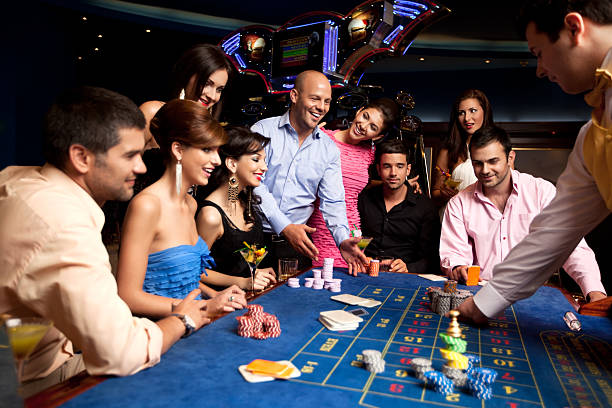
The establishment of formal casinos in the 17th century marked a pivotal moment in gambling history. These establishments not only served as venues for games of chance but also became centers of social gathering, influencing fashion, language, and social status. This transition from informal betting to structured gambling set the stage for the modern gambling industry.
Gambling as a cultural phenomenon
In contemporary society, gambling has emerged as a cultural phenomenon, permeating various aspects of daily life. From televised poker tournaments to online gaming platforms, gambling is no longer confined to physical locations. It has become a pervasive element in entertainment, often glorified in movies and television shows, which can romanticize its allure and foster a casual attitude toward betting.
Furthermore, advertising for gambling products has significantly influenced public perception. With the proliferation of digital media, the accessibility and visibility of gambling have increased, promoting a culture where betting is normalized and even celebrated. This cultural shift raises questions about the implications for responsible gambling and societal attitudes toward risk-taking behavior.
The social implications of gambling
While gambling can serve as a source of entertainment, it also carries significant social implications. The potential for addiction and financial hardship associated with gambling is a critical concern. Many individuals find themselves trapped in cycles of compulsive gambling, leading to devastating effects on their personal lives, families, and communities.
Moreover, the socio-economic divide in gambling participation is notable. Individuals from lower-income backgrounds often gamble more frequently and may face greater risks due to limited resources. This disparity highlights the need for comprehensive public awareness campaigns and support systems to address the challenges posed by gambling addiction and its societal consequences.
Gambling’s influence on identity and community
Gambling often intersects with issues of identity and community belonging. For many, participating in gambling activities can foster a sense of camaraderie and shared experience, particularly in community events and fundraisers. Local gaming establishments can become central hubs where individuals come together, bridging gaps across various demographics.
However, this sense of community can be dual-edged. While it can promote social bonds, it can also exacerbate existing social issues, such as addiction and financial instability. As communities continue to navigate the complexities of gambling, it is vital to balance its potential for bringing people together with the responsibility of addressing its challenges.

About our website
Our website aims to provide a comprehensive understanding of the cultural impact of gambling in modern society. We delve into various facets of this complex issue, offering insights into its historical roots, current trends, and social implications. Through educational resources and informative articles, we empower our readers to engage thoughtfully with the topic.
By fostering discussions around responsible gambling and its societal effects, we strive to promote informed civic engagement. Explore our resources to gain a deeper appreciation of the intricate relationship between gambling and culture in today’s world.